

Natural disasters have always posed significant risks to property owners, but recent years have highlighted their interconnected and unpredictable nature. While California has faced devastating wildfires for years, Washington state has experienced its own array of disasters, including the infamous 2024 bomb cyclone. These events are transforming how property owners approach risk management, particularly regarding fire and earthquake insurance.
The impact is already clear: major insurance companies have scaled back their California operations due to wildfire risks and regulatory hurdles around rate increases. This retreat has rippled through Western states’ insurance markets, including Washington. As insurers grow more wary of natural disaster exposure on the West Coast, many have reassessed their earthquake coverage in Washington, leading to fewer options and costlier premiums.
But what connects California’s fire crisis to earthquake coverage in Washington? And why should property owners consider building retrofitting as part of their long-term risk strategy? To understand how these forces are reshaping insurance and property preparedness, we need to examine the deeper connections at play.
The California Wildfires: A Wake-Up Call for Insurance Providers
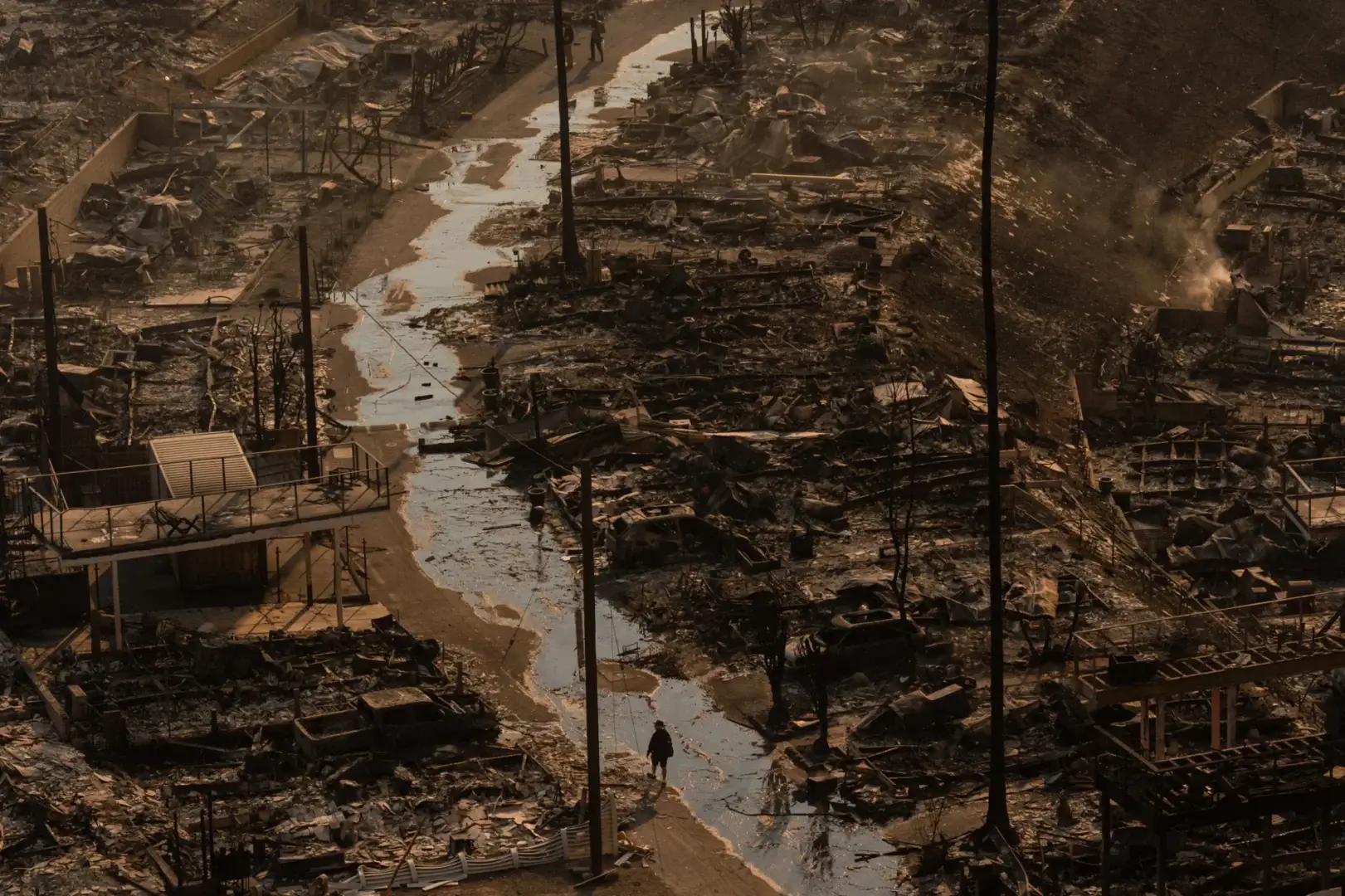
California’s increasingly destructive wildfires are not just a regional problem; they’re having widespread implications across the insurance industry. In recent years, many insurers have been pulling out of California or significantly raising premiums due to the rising frequency and intensity of wildfires. In fact, over 80 insurers left the California market in the past three years alone, many citing the financial risks of covering properties in fire-prone areas. This is leading to a trend of fire insurance cancellations, forcing property owners to find alternative ways to protect their investments.
While this trend is largely concentrated in California, it has a domino effect on how insurance companies assess risks in other states, including Washington. As the risk profile for natural disasters becomes more complex, insurers may be inclined to raise rates or tighten coverage requirements for earthquake insurance as well. Although earthquakes aren’t as frequent as wildfires, the seismic activity risk in Washington is real, especially given the state’s proximity to major fault lines like the Cascadia Subduction Zone.
The 2024 Bomb Cyclone: A Stark Reminder of Washington’s Own Vulnerabilities
In Washington, the 2024 bomb cyclone was a stark reminder of how quickly a natural disaster can strike. The bomb cyclone, which brought extreme winds, heavy rain, and widespread flooding, caused significant property damage and disruptions to daily life. While this event was distinct from wildfires or earthquakes, it highlighted the growing vulnerability of the Pacific Northwest to unpredictable weather events, which are becoming more frequent due to climate change. The damage from this event alone reached an estimated $1.2 billion—a figure that continues to grow as authorities assess long-term impacts on infrastructure.
This combination of wildfire cancellations in California, extreme storms in Washington, and the looming threat of earthquakes calls for a shift in how property owners approach disaster preparedness. Earthquake insurance in Washington may not be as immediately top-of-mind as fire coverage in California, but the cumulative effects of natural disasters across the country are making it increasingly important to consider comprehensive risk management strategies.
The Case for Retrofitting: Strengthening Your Property for the Future
One of the most effective ways to protect your property against an earthquake is through seismic retrofitting. While the idea of investing in upgrades might seem daunting, the long-term benefits far outweigh the initial costs, especially when you consider the rising unpredictability of natural events.
Reduced Damage from Earthquakes and Other Disasters
Retrofitting strengthens the structural integrity of a building, making it more resilient to the shaking caused by earthquakes. This can be particularly important in areas like Seattle, Tacoma, and Olympia, where the risk of a significant earthquake is high. For property owners, retrofitting can mean the difference between minor repairs and catastrophic damage when the next earthquake strikes.
But retrofitting isn’t just about earthquakes. It also improves a building’s ability to withstand high winds, heavy rains, and flooding—risks that are increasingly common due to climate change and intense storms like the 2024 bomb cyclone.
Insurance Premiums and Coverage
While the costs of retrofitting may initially seem high, many property owners find that making their buildings more resilient can help reduce insurance premiums in the long run. Insurers often offer discounts to properties that have been retrofitted to meet modern seismic standards. In a world where fire and earthquake insurance are becoming more expensive and harder to obtain, this can be a valuable financial incentive.
Looking Ahead: The Cost of Natural Disasters
The cost of natural disasters continues to rise. In 2024, natural disasters in the U.S. caused approximately $182.7 billion in damage—a staggering figure that reflects both the frequency and intensity of recent events. In Washington, the 2024 bomb cyclone alone is expected to contribute significantly to this total, with damages that continue to be assessed. In California, the cost of wildfire-related losses has already topped $40 billion in 2024, a number that is likely to grow as more homes and commercial properties are affected.
As these costs continue to climb, both commercial property owners and insurers will need to reassess their strategies. Earthquakes, while less frequent than wildfires or floods, are no less destructive when they do occur. By investing in retrofitting and proactive risk management, property owners can better protect their investments in an increasingly unpredictable world.
Conclusion: It’s Time to Act
As we look toward the future, the interconnectedness of natural disasters—from California’s wildfires to Washington’s bomb cyclones—demands that property owners think beyond traditional risk management. Earthquake insurance in Washington may be one of the next areas where the effects of climate change, rising premiums, and insurance availability collide. Retrofitting your building is one of the most cost-effective steps you can take to ensure your property remains resilient against whatever nature throws its way.
While retrofitting isn’t a silver bullet, it’s a critical part of a comprehensive approach to safeguarding your property—and, ultimately, your bottom line. As we’ve learned from recent disasters, it’s not a matter of if another natural event will occur, but when. Being proactive now could make all the difference in the future.